If you’ve ever felt constantly tired, dizzy or just a bit off.. your iron levels could be to blame. Iron is one of those nutrients most of us don’t think about until we’re dragging ourselves through the day with zero energy and an afternoon caffeine dependency.
But iron is essential. It helps your body produce haemoglobin, the protein in red blood cells that carries oxygen around. Without enough of it, everything slows down, your energy, your focus, even your immunity.
So, whether you’re eating meat, avoiding it completely or somewhere in between, here’s everything you need to know about iron: where to get it, how to absorb it properly and how to support your body without overthinking it.
Two Types of Iron: Heme vs. Non-Heme
There are two main types of iron your body can use:
1. Heme Iron: Found in animal based foods, it’s more easily absorbed (about 15–35%).
– Best sources: red meat (beef, lamb), chicken, turkey, liver, eggs and fish.
2. Non-Heme Iron: Found in plant based foods, absorbed less efficiently (2–20%), but still important.
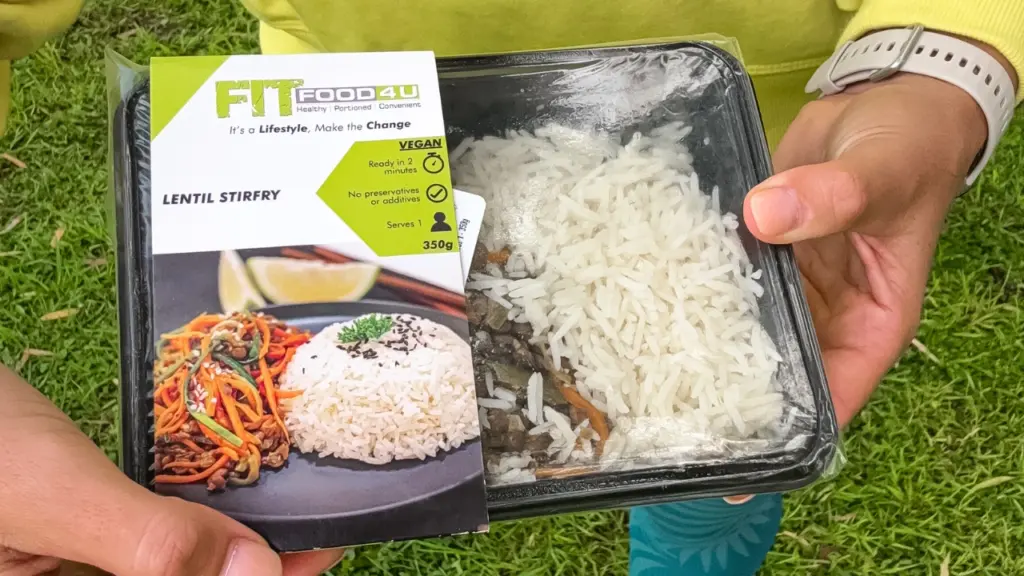
– Best sources: lentils, chickpeas, tofu, pumpkin seeds, spinach, kale, oats, quinoa, black beans, fortified cereals and dark chocolate (yes, really).
If you’re vegetarian or mostly plant based, it just means you need to be a bit more intentional and strategic about how you eat your iron.
Boosting Absorption: The Vitamin C Trick
Here’s the magic combo: Pair your iron rich foods with vitamin C. It increases absorption significantly, especially helpful for non-heme (plant) iron.

Try these pairings:
• Spinach + lemon juice
• Oats + strawberries
• Lentil stew + red pepper slices
• Tofu stirfry + pineapple
Vitamin C rich foods include citrus fruits, bell peppers, broccoli, strawberries, tomatoes and kiwi and it works best when eaten in the same meal.
What to Avoid During Iron Rich Meals
Some foods and drinks interfere with iron absorption so just try not to consume them at the same time as your iron rich meals:
• Dairy (especially milk & cheese): The calcium competes with iron for absorption.
• Coffee & tea: They contain tannins that reduce iron uptake.
• High calcium supplements: Avoid taking them alongside iron rich foods.
The fix? Just space them out. If you want a cappuccino or smoothie, have it an hour or two after eating your iron meal. Easy.
Pro Tips for Vegetarians
Cook in a cast iron pan. Tiny iron particles from the pan can actually boost your iron intake.
Soak or sprout legumes and grains. It reduces phytic acid, which can block iron absorption.
Check your cereal. Many breakfast cereals are fortified with iron (just check the label).
Consider a supplement but only if needed. Always check with your doctor first!
Sample Iron Rich Vegetarian Day:
Breakfast: Oats topped with pumpkin seeds, chia seeds and strawberries
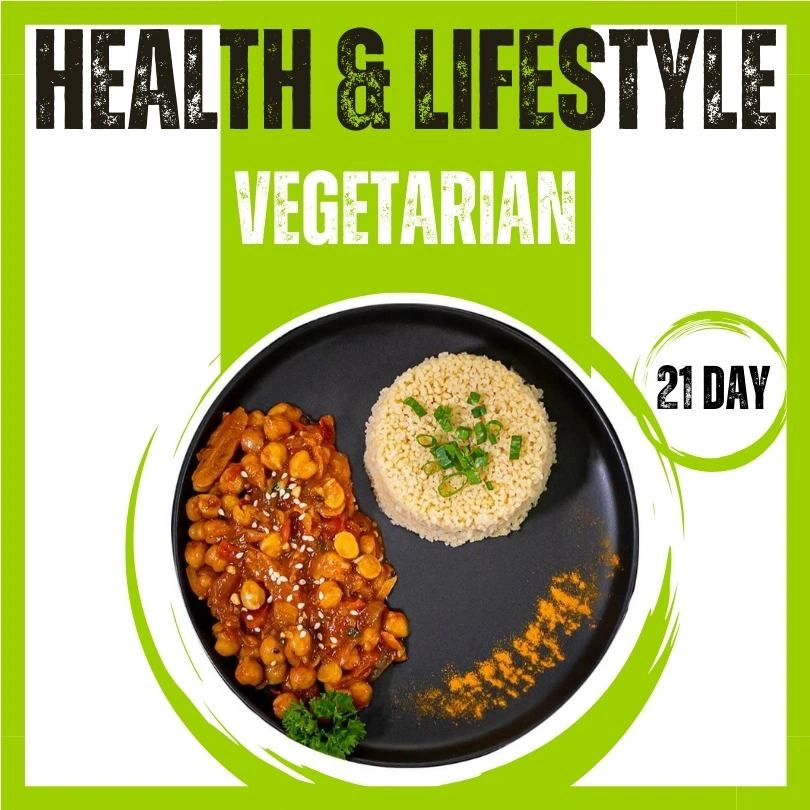
Lunch: Fit Food 4U Mediterranean Veg & Chickpea Stew
Snack: A few squares of dark chocolate and an orange
Dinner: Fit Food 4U Bean & Butternut Ragout
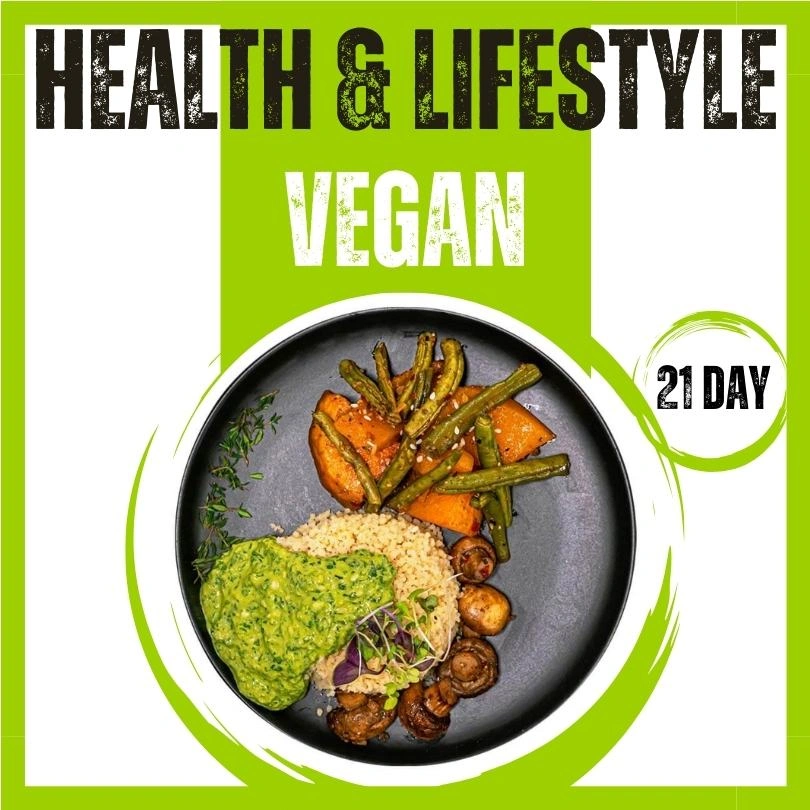
At Fit Food 4U, we’ve made it easier to stay nourished without needing a food science degree. Our plant based and vegetarian friendly meals are designed with real ingredients that naturally support your iron needs.. think lentils, legumes, leafy greens, seeds and more.
We believe your food should work with your body, not leave you exhausted or needing a second lunch. So, if you’re looking to up your energy or simply take better care of yourself, let your meals do some of the heavy lifting.
And remember, food isn’t just fuel, it’s power, protection and care in every bite. Keep eating smart, and we’ll keep helping you get there.